Provo / Utah County, Utah
A tightly knit community where authentic discipleship can bridge deep, generational cultural divides.
The Need
Utah County is one of the fastest-growing population centers in the Intermountain West. As of 2025, the county is home to nearly 760,000 people, an increase of more than 15% since 2020. Lehi alone has grown more than 25% during that same period (Census.gov).
But the spiritual landscape is even more significant than the population growth.
The Provo–Orem area remains one of the most heavily Latter-day Saint metropolitan areas in the United States. The 2020 U.S. Religion Census reported roughly 555,000 Latter-day Saint adherents in the Provo–Orem metro, dramatically outnumbering every other religious tradition in the region (ARDA).
That creates a unique mission field. Many people in Utah County have significant religious backgrounds and vocabulary, yet comparatively few are connected to historic Protestant churches centered on the gospel of grace.
At the same time, Utah County is changing. Rapid population growth is bringing people from across the country, younger generations are asking different spiritual questions than their parents, and communities that once felt culturally uniform are becoming increasingly diverse.
There is tremendous need for healthy, Bible-based churches that can communicate the gospel clearly, make disciples relationally, and help people discover what it means to follow Jesus.

THE VIBE
Utah County is young, energetic, entrepreneurial, family-oriented, and growing quickly.
Nearly 30% of the county is under 18, and only about 9% is over 65 (Census.gov). Families are everywhere, new neighborhoods continue to spread along the Wasatch Front, and cities such as Lehi, Saratoga Springs, Eagle Mountain, Spanish Fork, and Vineyard have experienced extraordinary growth.
The area also has one of the most unusual university environments in the country.
Brigham Young University enrolled more than 37,000 daytime students in fall 2025, while Utah Valley University enrolled nearly 49,000 students. Together, the two schools place more than 80,000 students in the heart of Utah County (BYU Home Site).
That means Utah County is continually shaping young adults who will eventually move throughout Utah, the Intermountain West, and the world.
The northern end of the county is also home to much of Utah's Silicon Slopes technology corridor. Companies, entrepreneurs, startups, and professionals continue to make Lehi and the surrounding communities a major center for technology and innovation (Utah Economic Development).
And the setting is difficult to beat.
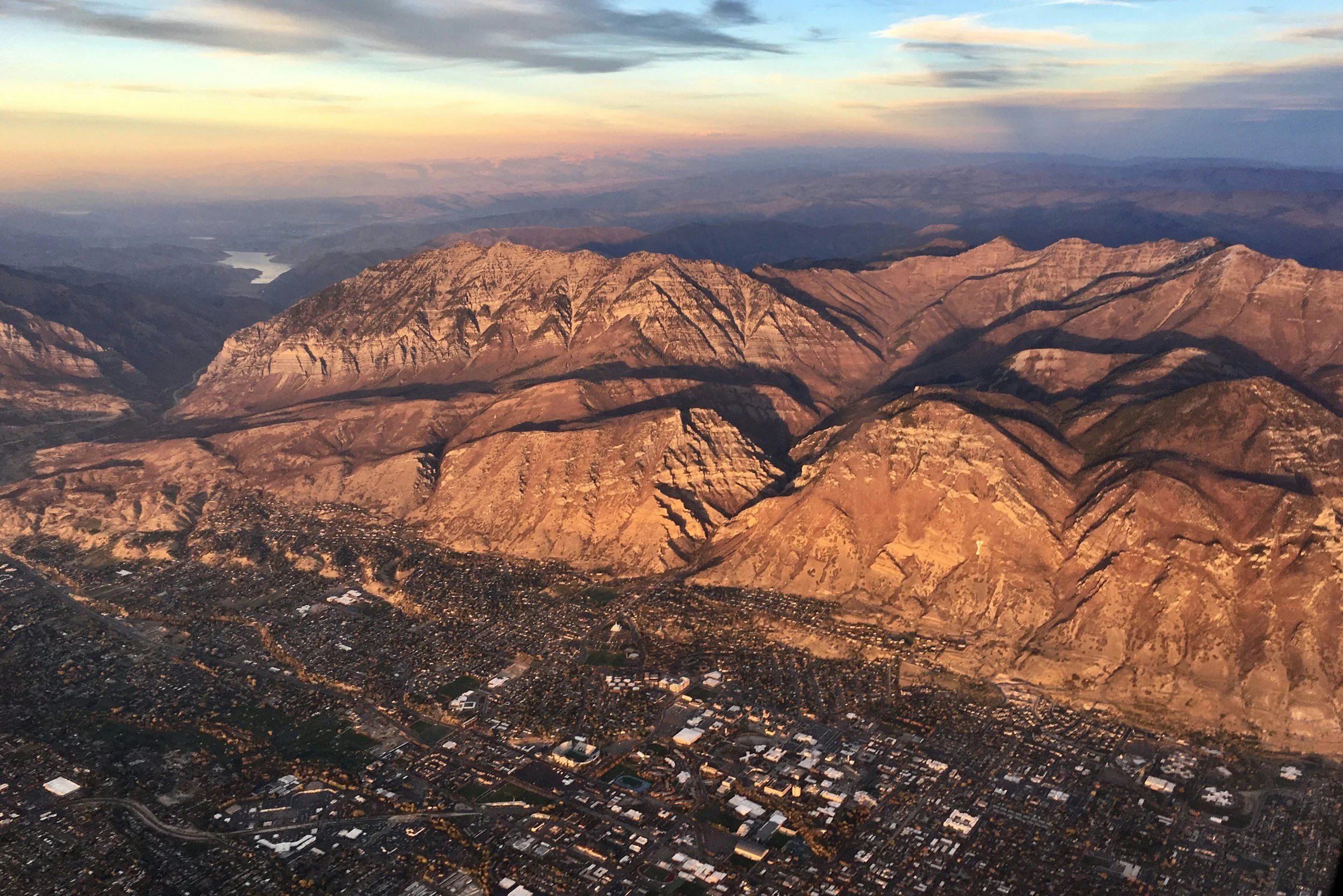
The Wasatch Mountains rise immediately to the east. Hiking, skiing, mountain biking, climbing, boating, camping, and hunting are all part of normal life. For families and people who love the outdoors, Utah County can offer an extraordinary quality of life.
THE DREAM
Our dream for Utah County is not simply to see more church services.
It is to see disciples who make disciples and churches that plant churches throughout one of the most spiritually unique and rapidly growing regions in America.
Imagine healthy churches taking root from Lehi to Provo and Orem, then south through Springville, Spanish Fork, Salem, Payson, and eventually into the smaller communities of central Utah.
Imagine BYU and UVU students encountering Jesus, being discipled deeply, and eventually carrying the gospel wherever their careers and families take them.
Imagine families coming out of religious performance and discovering grace.
Imagine people who have never known Christianity apart from the dominant religious culture of Utah opening Scripture around a dinner table and encountering Jesus for themselves.
And imagine churches in Utah County becoming sending churches—developing leaders, supporting church planters, and looking toward the next community rather than simply growing their own attendance.
With nearly three-quarters of a million people already living here and thousands more arriving every year, the opportunity is enormous.
Utah County doesn't simply need more churches. It needs churches committed to making disciples who can carry the gospel into every community.