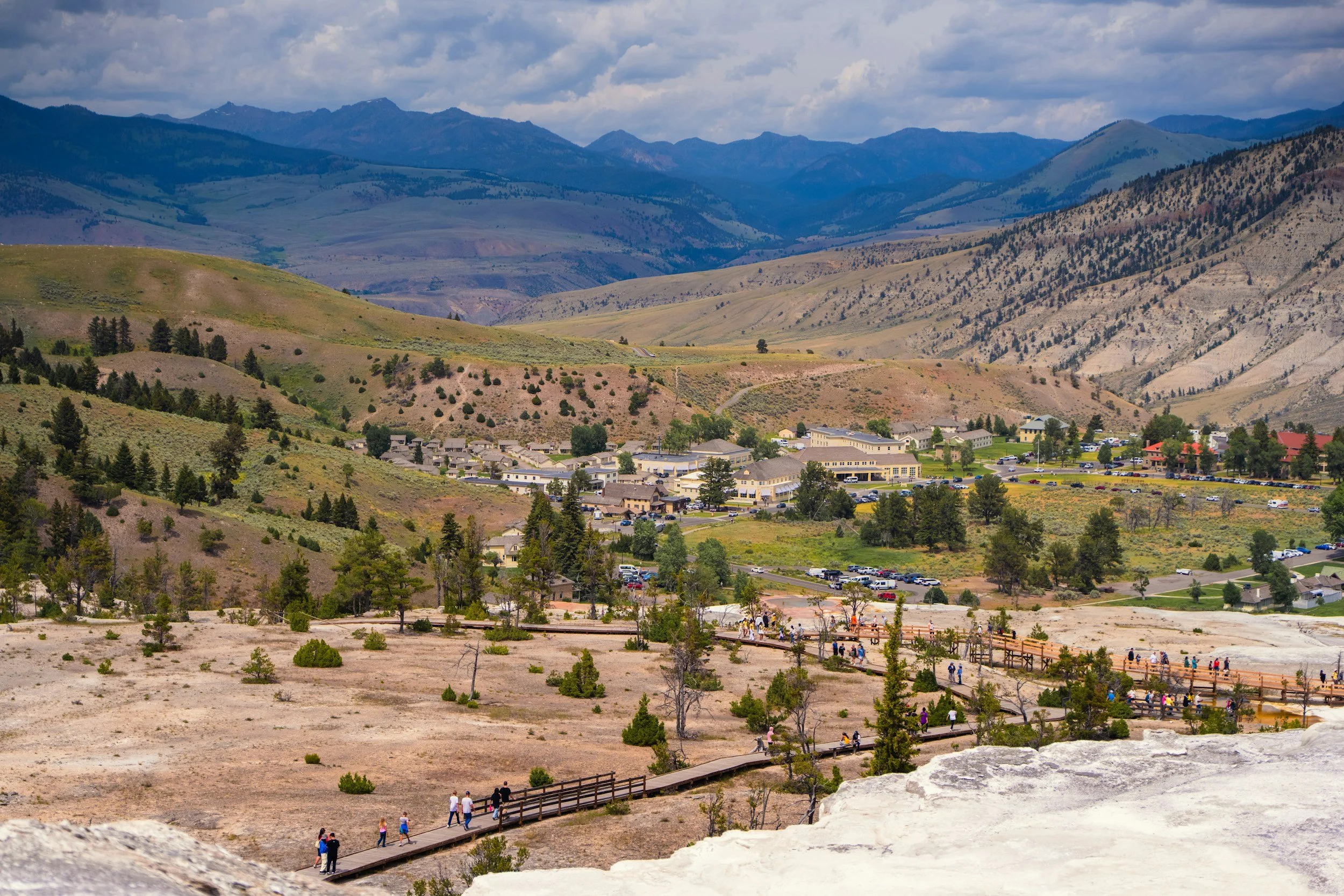
Rural Intermountain
WEST
The Intermountain West is anchored by thousands of agricultural communities, mountain valleys, and regional hubs that will never make a national target list.
The Need
Church planting in America tends to follow the population. But God works in places and behind all boundaries. Large cities are sustained by the surrounding communities and their industries.
Bible college and seminary graduates often move toward growing cities. Church planting organizations frequently prioritize metropolitan areas where hundreds of thousands of people live within a short drive of a new church.
We believe every city needs a church, because God loves people.
A community doesn't need more than 200,000 people to have a healthy church.
Across Idaho, Utah, Oregon, Washington, and Montana are hundreds of small towns, agricultural communities, mountain valleys, and regional hubs that will never make a national list of target cities. Many have few healthy churches, aging pastoral leadership, and little pipeline of new leaders preparing to take their place.
When a church closes in a major city, there may be another healthy church a few blocks away. In a rural community, losing one church or pastor can leave an enormous hole.
Additionally, there has been a steady movement away from metropolitan areas.
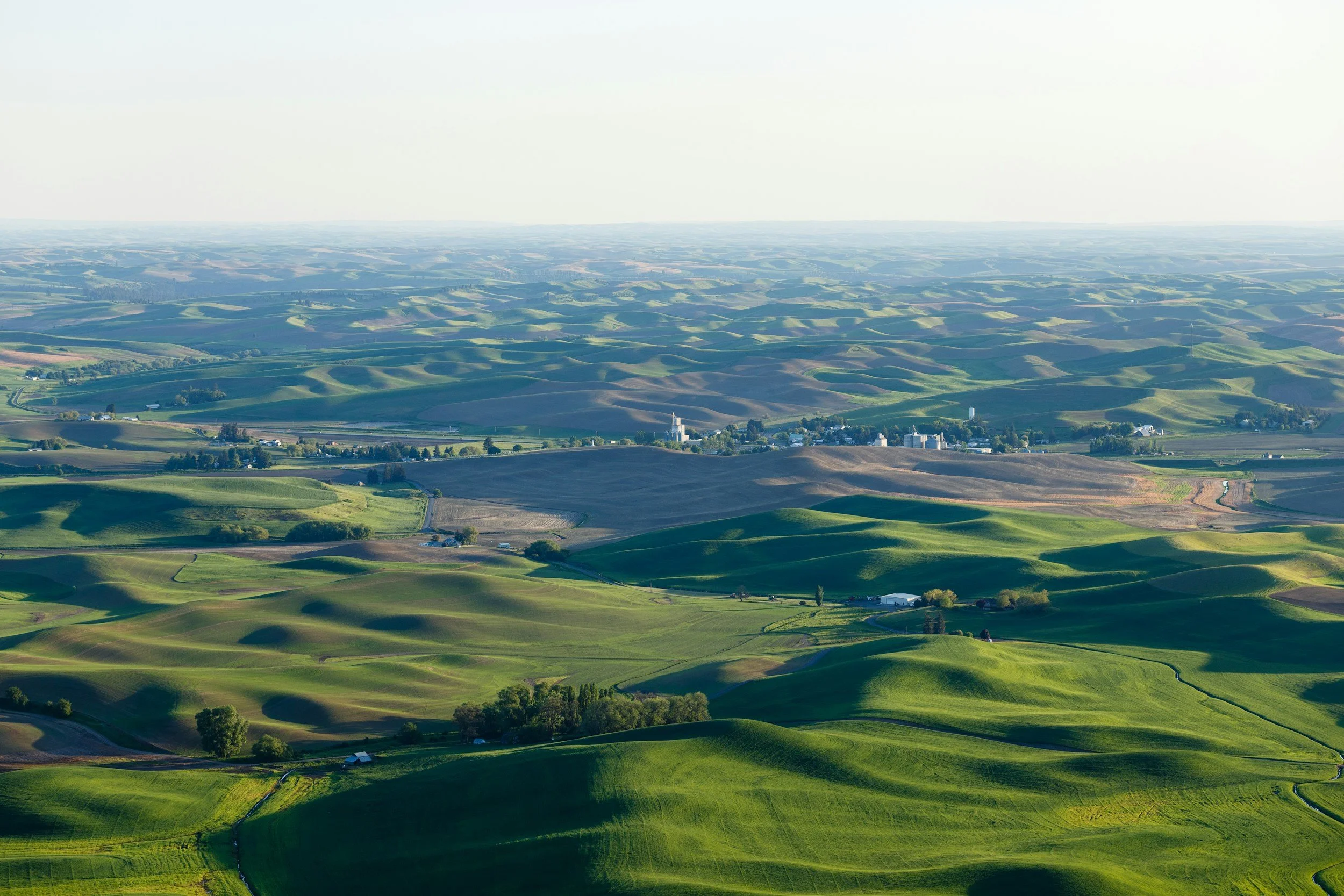
THE VIBE
There is still a ruggedness to much of the Intermountain West.
People value independence, hard work, land, family, and the freedom that comes with living somewhere smaller. Hunting, fishing, agriculture, trades, high school sports, and the outdoors are often woven into community life.
And for the right person, the quality of life can be incredible.
But independence doesn't mean isolation.
In smaller communities, people often depend deeply on one another. Your mechanic may sit beside you at a football game. Your child's teacher may also be your neighbor. When someone gets sick, loses a job, has a baby, or experiences tragedy, the community knows.
That makes relationships incredibly important.
And it creates a unique opportunity for the church.
Relationships aren't simply a ministry strategy in a rural community. It's part of the fabric of life.
Church planting here may look less like building a crowd and more like becoming part of a community: drinking coffee with people, coaching a team, serving at the school, working alongside neighbors, opening your home, and staying long enough to earn trust.
For the right planter, rural ministry isn't settling for something smaller.
It can be an extraordinary place to build a life, raise a family, know your neighbors, and spend your ministry deeply embedded in a community you love.
THE DREAM
Our dream isn't simply to put churches in small towns.
We want to see rural churches become sending churches.
We have already watched this begin to happen.
In Horseshoe Bend, Idaho, a new church was planted in a community of roughly 1,000 people. Now that church is looking beyond itself, with plans to help plant in nearby Garden Valley this October.
We are helping Chris and Bailey Lake prepare to plant in Mountain Home, Idaho, a smaller community with the unusual opportunity to disciple military families who may eventually be sent all over the world.
Adam and Cathy McElderry are preparing for Lewiston, Idaho. Lewiston would be considered a significant city by most rural communities, but it is still far smaller than the 200,000+ population centers that receive much of the attention in modern church planting. Yet Lewiston can become a regional hub capable of influencing communities throughout north-central Idaho and eastern Washington.
That's the dream.
Not that every rural church becomes a megachurch.
Not that every small town suddenly becomes a city.
But that healthy churches take root in these communities, make disciples, develop local leaders, and eventually look toward the next town and say:
"Who's going to plant there?"
Because a church doesn't have to be large to multiply.
And a town doesn't have to be large to matter.
Rural & Regional Communities We're Praying About
Idaho Falls / Rexburg, Idaho — A rapidly growing eastern Idaho corridor with a remarkably young population, significant university influence through BYU-Idaho, and one of the most distinctly LDS religious cultures in America. A multiplying church here could influence communities throughout eastern Idaho.
Tri-Cities, Washington — Not truly rural, but a growing regional center surrounded by agricultural communities and smaller towns. It has the potential to become a significant training and sending hub for southeastern Washington.
La Grande, Oregon — A small city with influence far beyond its population. Eastern Oregon University and La Grande's role as a commercial and cultural center make it a natural hub for reaching communities scattered across northeastern Oregon.
Pendleton, Oregon — Another strategic northeastern Oregon hub. With roughly 17,000 residents and a strong regional identity, Pendleton could provide a base for developing leaders and serving smaller communities throughout the surrounding region.
Nephi, Utah — A growing I-15 community in central Utah with a heavily LDS culture and strong family orientation. Its location creates the possibility of reaching not only Nephi but smaller communities throughout Juab County and central Utah.
Roosevelt / Uintah Basin, Utah — Roosevelt itself is small, but it serves a much larger rural area alongside Vernal and surrounding communities. With an existing ICPA partner church in Vernal, a new work in Roosevelt could strengthen rather than duplicate what is already happening and create another disciple-making presence across the Basin.
Learn About
THE ICPA
At its core, the ICPA serves to identify, develop, and send out both obvious and prospective ministry leaders. By helping leaders lift their eyes to see broader regional needs and connecting them with strategic communities, the ICPA acts as a supportive trellis that encourages and sustains organic growth rather than artificially manufacturing it.